
The best time to visit Rovaniemi for your plans
The best time to visit Rovaniemi changes with the experience you want. For northern lights, the local dark observation season runs from late August to early April. For snow rides, the deciding factor is actual snow conditions. For long light evenings and midnight sun, the summer part of the calendar answers a different wish entirely.
Start with one main reason to travel, then build other experiences around it. An aurora itinerary needs darkness; a snowmobile itinerary needs suitable ground conditions; summer walks belong to a brighter landscape. The weather guide and monthly climate table provide background for preparation, while this page helps make the seasonal choice.
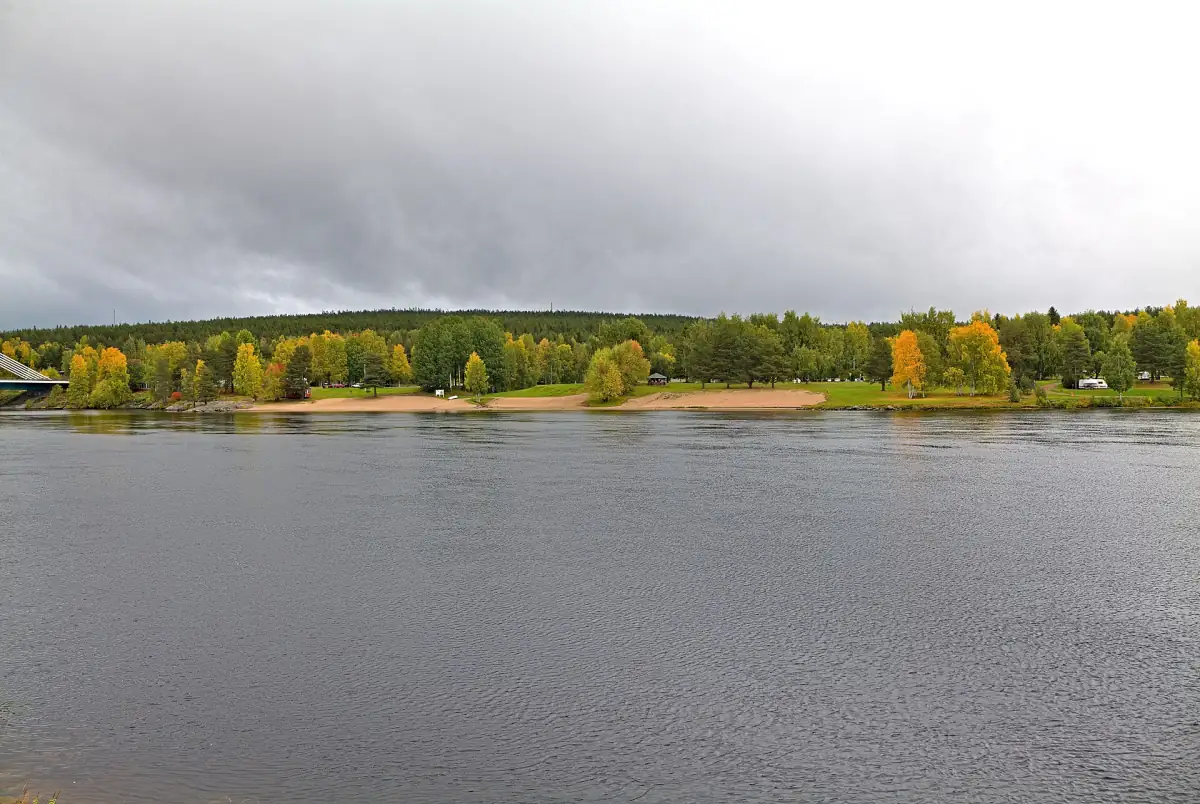
Autumn and the return of dark evenings
Late August brings the beginning of the local northern lights observation season, which continues through autumn into the darker part of the year. The important ingredients are darkness, an open view and sky conditions. An autumn date can therefore suit a trip centred on evenings outside without making snow rides the reason for travel.
Plan that choice on its own merits. A dark evening and a snow-covered route are different conditions, and one does not establish the other. Pair the autumn visit with the interests described on the walking page and leave the aurora element dependent on the sky. The northern lights guide explains observation in more detail.
An evening looking for auroras
This northern lights outing includes winter clothing and photography, though sightings depend on conditions.
Hand-picked tours, booked through Viator. Prices are indicative starting prices in euros (as of October 2026). Tap a tour for live availability and the current price in your currency.
A dark-season evening option
This northern lights outing includes thermal clothing, meteorological observations, hot drinks, cookies and professional photography. Choose a dark-season date while allowing for cloud and natural variability.
Snow activities and the winter decision
The local seasonal description places snow and ice experiences in the November to April part of the calendar, but individual operations depend on actual conditions. Choose the desired activity first: an animal ride, time driving a snowmobile or a programme combining several experiences. Use the seasonal calendar as a starting point, then choose the outing for the conditions.
Compare the winter combinations by activity time and equipment. Compare thermal clothing inclusions separately for each outing. Warm layers, insulated shoes, gloves and a hat matter when spending time outdoors. Leave room for changes in the practical itinerary rather than treating a programme as a fixed consequence of the month.
Christmas and winter daylight
Christmas is a reason to choose a particular part of winter, but it does not settle the weather question. Organise outdoor priorities around the limited daylight and consider separately whether an evening excursion suits the group. Darkness is useful for aurora observation, while cloud can still prevent a clear view.
Build the day around the experience you most want, then place other stops around its meeting point and return. This is more helpful than trying to fit every winter activity into the same visit. For a seasonal combination, distinguish a brief animal ride from a longer safari, and snowmobile driving time from the total programme.
Midnight sun and summer light
The approximate midnight sun period is early June to early July. Bright summer nights extend beyond that period, so the whole summer should not be described as continuous midnight sun. This is the choice for visitors drawn to the light itself and a landscape experienced very differently from the winter evening.
Summer brightness also changes the purpose of an evening outdoors. It is not the dark-sky season for northern lights. Choose summer for its light and walking interests, rather than trying to combine two opposing sky conditions in the same plan. Use current route information for the walks you select; a general seasonal description is not a trail-opening notice.
Use climate as background, then choose the day
Monthly climate normals describe a long comparison period, rather than the weather on your travel dates. The weather table uses the airport station's 1991 to 2020 normals, published in October 2021. Neither a below-freezing monthly figure nor an average precipitation value proves snow cover or safe ice for a particular outing.
The dark-season photography outing includes meteorological observations and thermal winter clothing, with hot drinks and cookies. Those services support the evening experience; they do not make the natural display predictable. Choose it for a northern lights-focused plan and keep your daytime activity decision separate from the possibility of seeing aurora that night.
Questions before you go
When is the northern lights season?
The local observation season runs from late August to early April. Darkness, cloud conditions and a suitable open view remain important within that period.
Which month guarantees snow rides?
Snow-based operations depend on actual conditions. Choose the activity and date together rather than taking a monthly climate value as an operating promise.
When should I choose summer?
Choose summer if bright evenings and the landscape in long daylight matter most. The approximate midnight sun period is early June to early July.