
Two ways to plan Rovaniemi ice fishing
Rovaniemi ice fishing can be part of a wider winter outing rather than the sole activity of the day. The choices here pair fishing with snowmobiling or snowshoeing. That makes the way you reach the fishing part, the included clothing and the meal arrangement central to the comparison. Choose the combination that suits your interest in the surrounding activity, rather than assuming both programmes offer the same day with different names.
The snowmobile guide explains shared driving and participation requirements. The snowshoeing page covers the walking alternative. Both are useful alongside this page because the fishing element is only one part of each complete programme.
Ice fishing combinations
Combine ice fishing with a shared snowmobile or with a guided snowshoe outing.
Hand-picked tours, booked through GetYourGuide. Prices are indicative starting prices in euros (as of October 2026). Tap a tour for live availability and the current price in your currency.
Snowmobile and ice fishing
- Winter clothing
- Outdoor soup lunch
Two people share each snowmobile; driving takes about 2–2.5 hours within the 5–6 hour outing.
Check availability →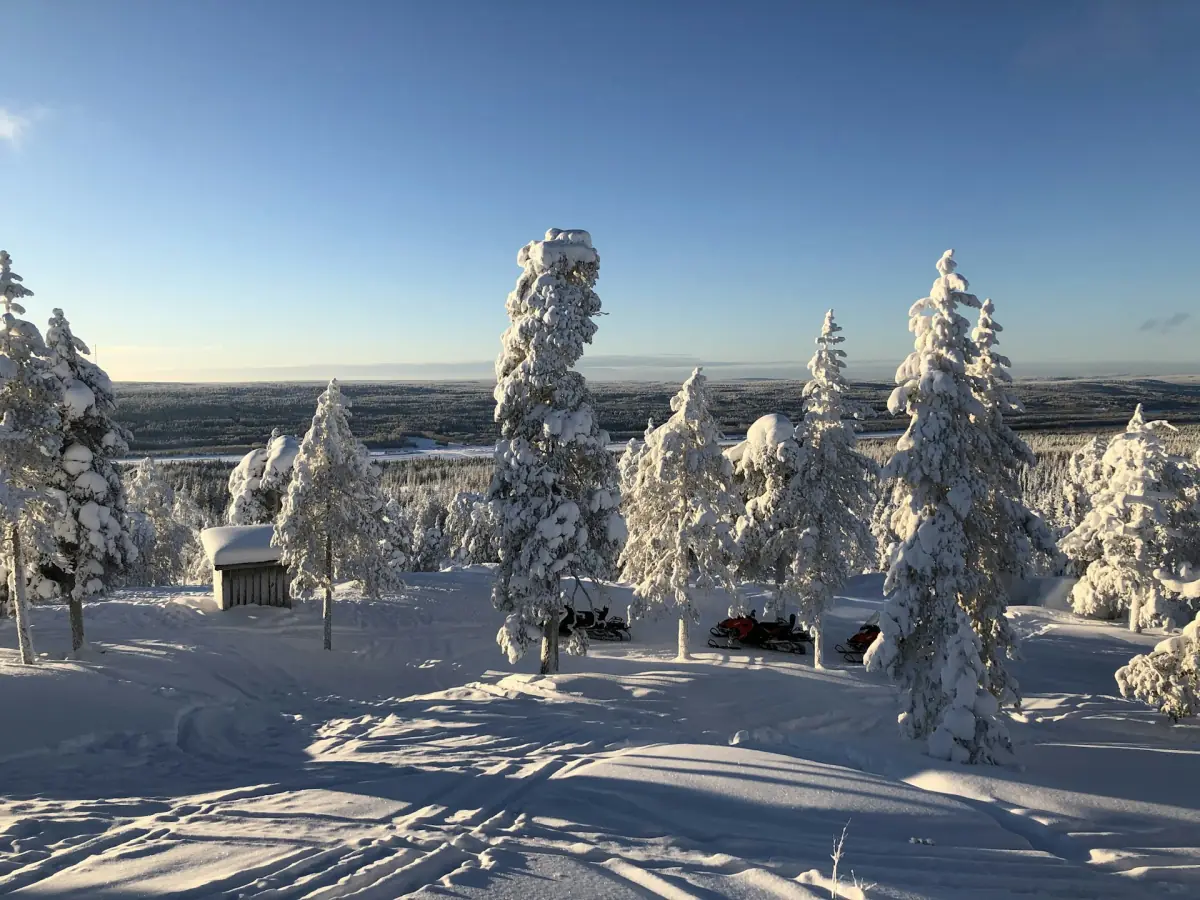
Snowshoeing and ice fishing
- Snowshoeing and ice fishing equipment
- Campfire snack
A guide accompanies both activities. Check the meeting point if you stay in the centre.
Check availability →Ice fishing with snowmobiles or snowshoes
Compare a longer snowmobile excursion with soup lunch and a snowshoe outing with a campfire snack, each including ice fishing.
Snowmobile, fishing and an outdoor lunch
The snowmobile combination has a total duration of 5 to 6 hours. It includes approximately 2 to 2.5 hours of driving with 2 people per snowmobile, followed within the programme by ice fishing and an outdoor soup lunch. Transfers, winter clothing, snowmobile instructions, English-language guiding, hot drinks and biscuits are also included.
This is the choice to examine if you want to ride a snowmobile as well as try fishing. The overall duration leaves room for the different parts of the excursion; it should not be read as continuous fishing time or uninterrupted driving. The soup lunch is a concrete difference from the snack provided with the snowshoe combination.
Anyone hoping to drive needs to consider licence validity and the safari’s age conditions as well as the fishing activity. A fishing interest does not change the eligibility conditions for the motorised part of the day. Decide who intends to drive and who prefers to be a passenger when comparing the departure details.
Snowshoeing, fishing and a campfire snack
The snowshoe combination lasts 4 hours overall and includes the equipment needed for snowshoeing and ice fishing. Professional winter clothing, boots, a guide and a campfire snack are part of the programme, as are taxes, fees and handling charges. Lunch is not included. This suits visitors looking for a walking-based winter combination rather than a snowmobile outing.
Hotel pickup and drop-off apply to accommodation outside the city centre. For a central stay, use the meeting arrangement given for your departure. This distinction matters when arranging the morning: an included transfer for an outlying property should not become a promise of collection from every city-centre address.
Keep food expectations equally specific. A campfire snack is a welcome part of the snowshoe outing, while a soup lunch is included with the snowmobile version. Schedule other meals around the chosen programme rather than treating those descriptions as interchangeable.
Fishing permissions and ice safety are separate
Simple ice angling with a single rod is generally exempt from the fisheries management fee, but restrictions apply. Prohibited areas, waters requiring special permission and rapids or flowing sections with migratory fish are among the exceptions. Other fishing methods and local water permits have separate rules. A general fee exemption is therefore not permission to fish on every stretch of water.
The legal permission to fish says nothing about whether ice will support a person. Follow the guide’s arrangements for the outing and do not use the presence of footprints or snowmobile tracks as evidence that a surface is safe. Assess ice conditions for the particular place and day rather than relying on a universal thickness rule.
A city warning dated 6 February 2026 described dangerous river ice between Jätkänkynttilä and the railway bridge, with strong currents and deceptively thin ice. That warning concerns the winter discussed at the time; it is not a condition report for your departure. The important planning distinction is between an organised activity and independently stepping onto a frozen river.
What to pack and how to place the outing
Warm layers, insulated footwear, gloves and a hat remain useful preparation even when a programme supplies outer clothing. Compare the exact supplied equipment with what you bring. Use the weather guide for climate context, remembering that seasonal averages are neither a forecast nor evidence of safe ice.
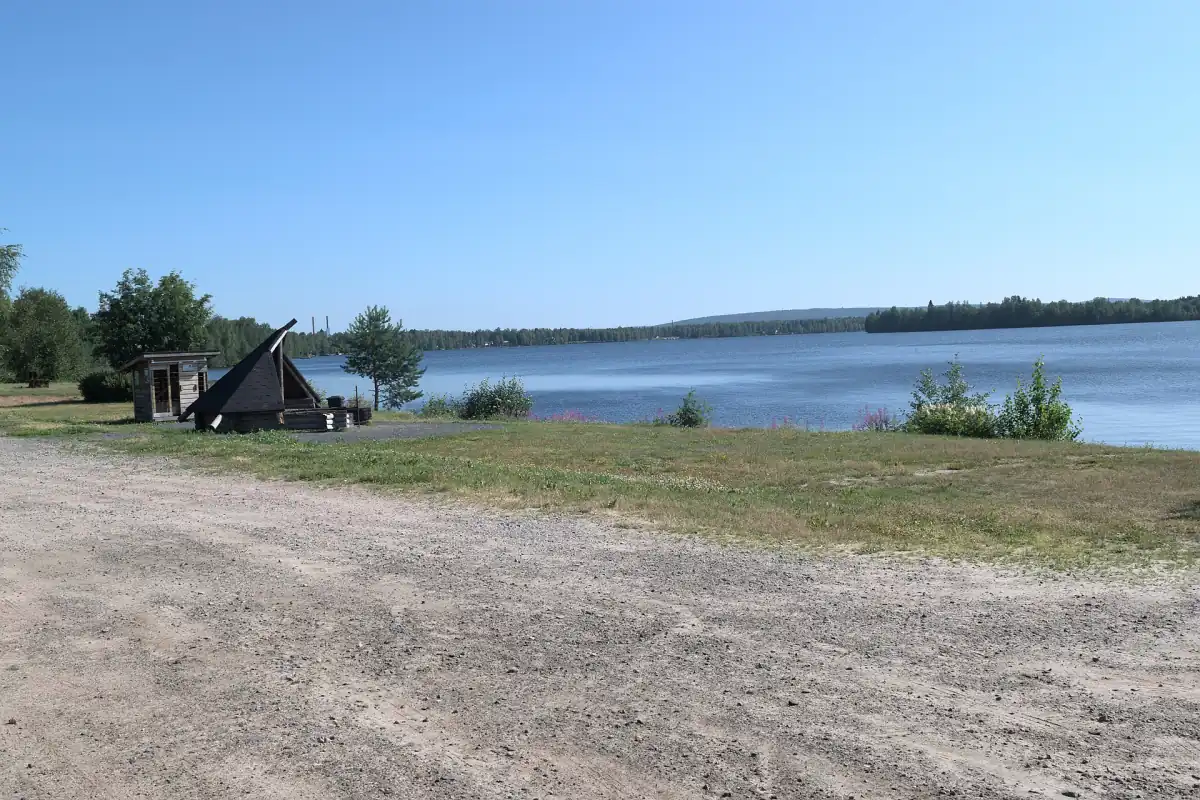
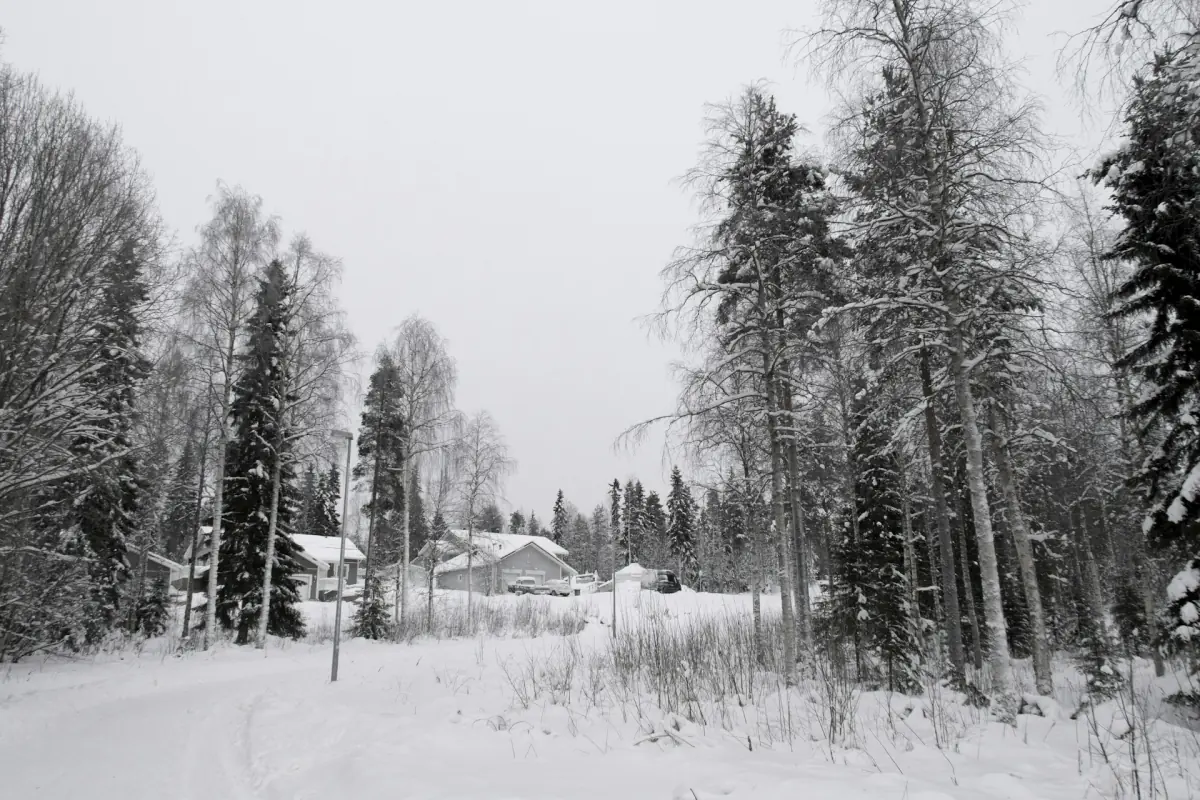
Leave room around the total excursion time for reaching the meeting point and your next commitment. For other combinations, the winter activities guide helps organise the rest of the stay. The waterside shelter photographs are landscape illustrations, not a view of the fishing spot or evidence of frozen conditions.
Questions before choosing a trip
Are these fishing-only departures?
These programmes combine ice fishing with either snowmobiling and soup lunch or snowshoeing and a campfire snack. Choose according to the full outing.
Does the snowshoe outing include lunch?
It includes a campfire snack, winter clothing, boots and the snowshoeing and fishing equipment. Lunch is excluded from that programme.
Does fee-free ice angling mean any frozen water is safe?
Fishing permissions and ice conditions are separate matters. Restrictions apply to some waters, and fee exemption gives no assurance about ice strength.