
Understanding Rovaniemi weather
Rovaniemi weather is easier to prepare for when you separate the climate of a month from the forecast for your dates. The figures here describe long-term conditions at the airport weather station. They help explain the contrast between winter cold and summer warmth. For the outlook on a particular afternoon, consult a current forecast. Use them to make a packing plan, then consult a current forecast close to departure.
The city lies in Finnish Lapland near the Arctic Circle, where the Ounasjoki and Kemijoki meet. Your preparation also depends on what you will do outside. Waiting for the sky to clear is a different part of a day from walking around the centre. For the choice of season by activity, use the best time to visit guide; this page explains the climate figures and clothing.
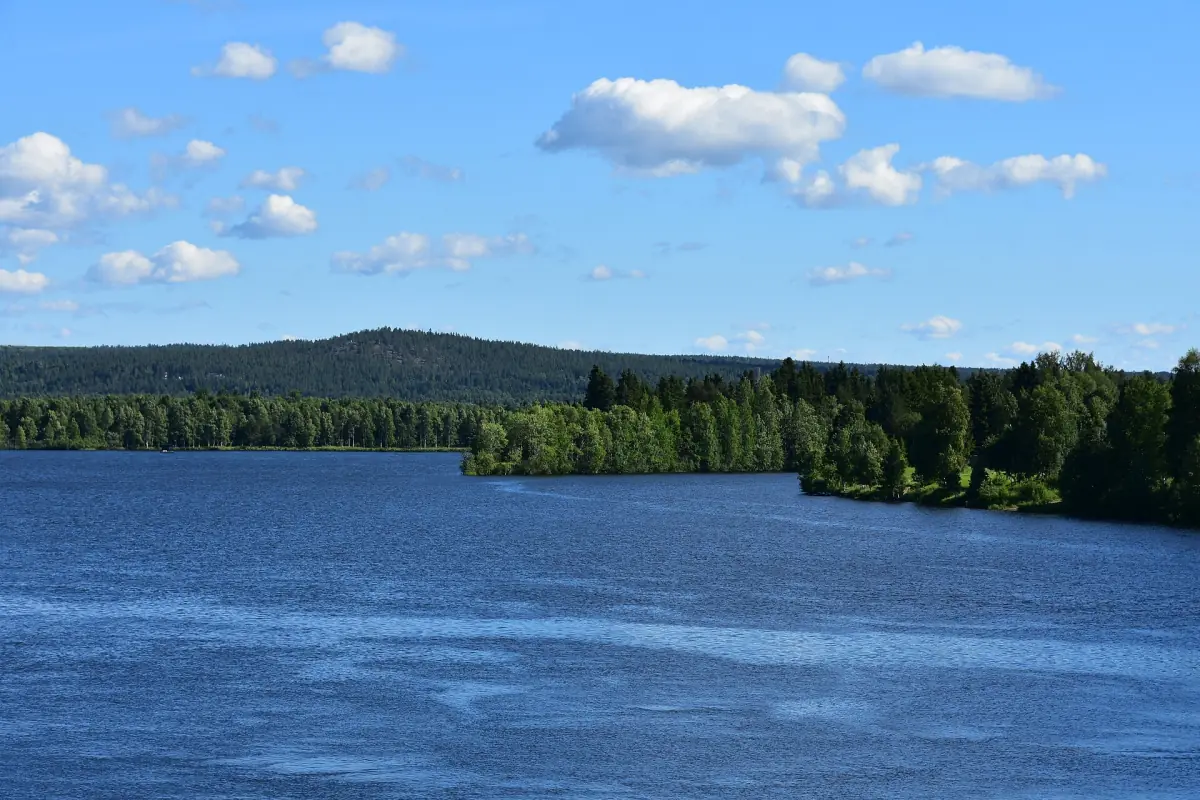
What the climate table measures
The Finnish Meteorological Institute published these normals in October 2021 for station 101920, Rovaniemi lentoasema. The reference period is 1991 to 2020. The maximum column is the average of daily highest temperatures, and the minimum column is the average of daily lowest temperatures. Both columns describe averages rather than record temperatures. Individual days can depart from these values.
Precipitation is expressed in millimetres of water equivalent, including snow. A winter precipitation total therefore should not be read as millimetres of snow depth, nor as rainfall alone. Use the table for a monthly comparison, and consult current conditions for snow depth during your visit. Keep the measurement method in mind when comparing the summer and winter rows.
Prepare for cold weather
Rent a jacket, trousers, mittens and boots for time outdoors.
Hand-picked tours, booked through Viator. Prices are indicative starting prices in euros (as of October 2026). Tap a tour for live availability and the current price in your currency.
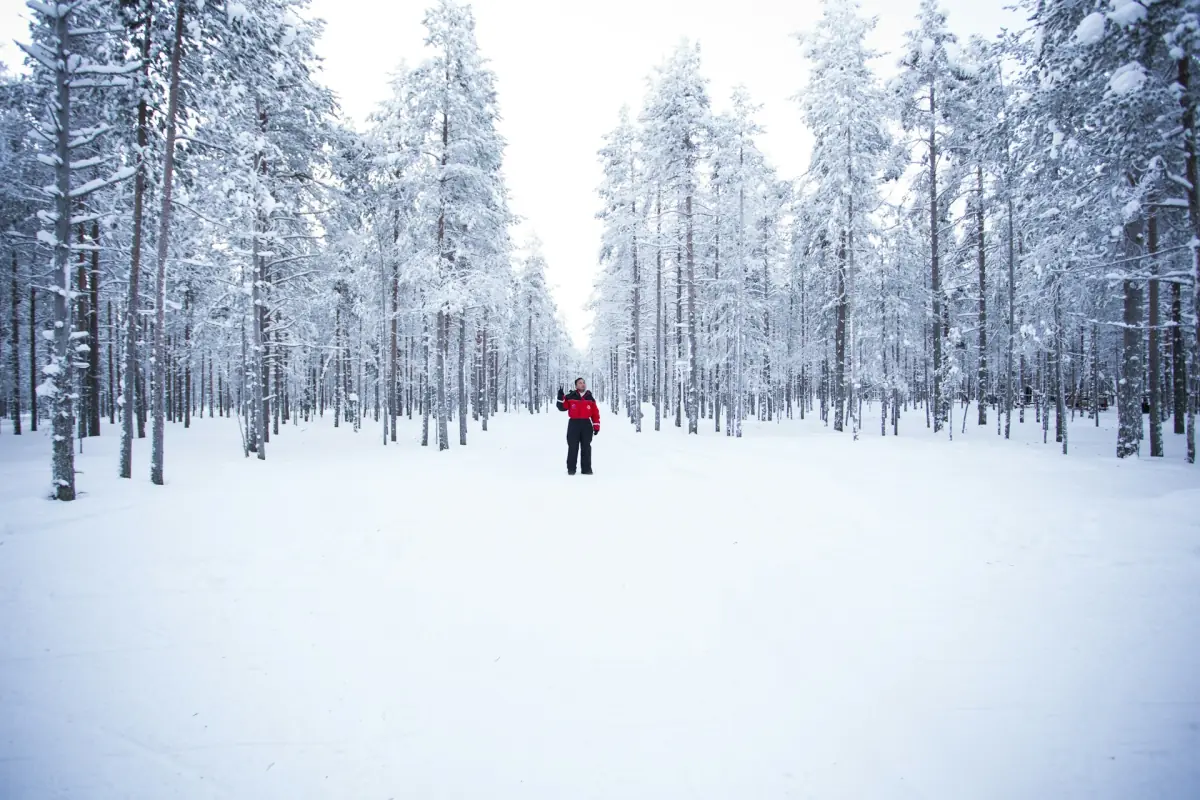
Prepare for cold conditions
Winter clothing hire offers a jacket, trousers, mittens and snow boots for your time outdoors in Rovaniemi.
Monthly climate normals
| Month | Mean daily maximum °C | Mean daily minimum °C | Precipitation mm |
|---|---|---|---|
| January | -7.3 | -13.5 | 46 |
| February | -7.3 | -13.3 | 37 |
| March | -1.9 | -9.1 | 37 |
| April | 4.1 | -3.4 | 34 |
| May | 11.0 | 2.5 | 48 |
| June | 17.0 | 8.5 | 64 |
| July | 20.1 | 11.8 | 81 |
| August | 17.2 | 9.6 | 68 |
| September | 11.1 | 4.9 | 60 |
| October | 3.1 | -1.3 | 54 |
| November | -2.1 | -6.7 | 55 |
| December | -4.9 | -10.6 | 51 |
Clothing and equipment
For cold weather, prepare warm layers, insulated footwear, mittens or gloves and a hat. Put the whole outfit together before planning a long spell outside: a jacket alone does not cover the practical demands of winter footwear and hands. Give particular attention to clothing for an evening outdoors if you are also spending part of the day in heated buildings.
The clothing rental option includes a winter jacket and winter trousers, mittens and snow boots, collected at a store in Rovaniemi. It is a way to organise your outfit for cold conditions. Match the collection arrangement and rental period to your arrival and departure. The listed items describe clothing hire; choose a separate activity if you also want a guided outing. Our winter activities guide explains the different programmes.
Snow, cloud and river ice
January and February have the lowest mean daily maxima in this station table. July is the warmest and also the month with the highest precipitation total. Those comparisons describe the reference period. A temperature below freezing in the table does not establish a continuous snow cover, a particular sledding departure or ice strong enough to walk on. Snow activities depend on actual conditions.
For northern lights, darkness and cloud cover matter alongside cold-weather preparation. The local observation season runs from late August to early April; cloud cover needs its own forecast alongside auroral activity. Read the northern lights guide before planning an evening. For river views, use shore routes rather than interpreting footprints on frozen water as evidence of load-bearing ice.
Use the figures in your daily plan
Plan your clothing around the time you expect to spend outdoors and keep the programme adaptable. A monthly table is useful before you pack, while a current forecast is the tool for deciding how to arrange a particular day. Keep indoor sightseeing in mind when you want a change from outside conditions; the Arktikum visitor guide gives dated admission and opening information.
Questions about your visit
Is this a live weather forecast?
These are climate normals for 1991 to 2020, published in October 2021. Consult a current forecast for the conditions expected on your own dates.
Do the monthly precipitation values include snow?
Yes. They show water equivalent including snow, rather than snow depth. For the amount of snow on the ground, consult a current snow report.
Does a negative temperature mean the river is safe to cross?
A temperature normal does not establish ice safety. Keep river sightseeing on shore and follow current local safety information rather than using a monthly figure to judge ice.